

Slip resistance is a crucial factor when it comes to wood floor coatings. As a supplier of Wood Floor Coating, I've seen firsthand the impact of a good non - slip coating on both residential and commercial spaces. In this blog, I'll share some tips on how to enhance the slip resistance of wood floor coating.
Understanding the Basics of Slip Resistance
Before we dive into the ways to enhance slip resistance, it's important to understand what causes slips on wood floors. Slips usually occur when there's a lack of friction between the sole of a shoe and the floor surface. This can be due to factors like the smoothness of the coating, the presence of moisture, or the type of footwear.
The coefficient of friction (COF) is a measure used to determine the slip resistance of a surface. A higher COF indicates a more slip - resistant surface. In general, for residential areas, a COF of at least 0.5 is recommended, while commercial areas may require a COF of 0.6 or higher.
Choosing the Right Coating
The first step in enhancing slip resistance is to choose a wood floor coating specifically designed for this purpose. Some coatings come with built - in anti - slip properties. These coatings often contain additives like silica sand or aluminum oxide particles.
Silica sand is a common additive used in many anti - slip coatings. It creates a rough surface on the floor, increasing the friction between the shoe and the floor. Aluminum oxide is another option. It's a very hard material that can withstand heavy foot traffic and wear, making it ideal for commercial spaces.
When selecting a coating, make sure to read the product label carefully. Look for information about the slip resistance rating and the type of additives used. You can also ask the manufacturer for samples to test the slip resistance in a small area before applying it to the entire floor.
Surface Preparation
Proper surface preparation is key to ensuring that the anti - slip coating adheres well to the wood floor. First, clean the floor thoroughly to remove any dirt, dust, grease, or old coating. You can use a mild detergent and water solution for this. Make sure to rinse the floor well and let it dry completely.
Next, sand the floor lightly. This will create a rough surface for the coating to bond to. Use a fine - grit sandpaper to avoid damaging the wood. After sanding, vacuum the floor to remove any dust particles.
Applying the Coating
When applying the wood floor coating, follow the manufacturer's instructions carefully. Most anti - slip coatings require multiple coats for optimal results.
Start by stirring the coating well to ensure that the additives are evenly distributed. Use a brush, roller, or sprayer to apply the first coat. Make sure to apply it evenly and avoid creating drips or runs.
Let the first coat dry completely before applying the second coat. The drying time can vary depending on the type of coating and the environmental conditions. In general, it may take anywhere from a few hours to a day.

Adding Additional Anti - Slip Elements
In some cases, you may need to add additional anti - slip elements to the coating to achieve the desired level of slip resistance. One option is to use anti - slip tapes or mats in high - risk areas such as near entrances, kitchens, or bathrooms.
Anti - slip tapes are made of a durable material with a rough surface. They can be cut to size and applied directly to the floor. Mats are another popular choice. They come in a variety of sizes, shapes, and designs, and can be easily removed and cleaned.
Maintenance and Care
Once the wood floor coating is applied, proper maintenance is essential to keep the slip resistance intact. Regularly clean the floor using a mild cleaner and a soft - bristled broom or mop. Avoid using abrasive cleaners or scrubbers, as they can damage the coating and reduce its slip resistance.
Check the floor regularly for signs of wear and tear. If the coating starts to show signs of peeling or fading, it may be time to reapply the coating. Also, make sure to address any spills or moisture on the floor immediately to prevent slips.
Other Considerations
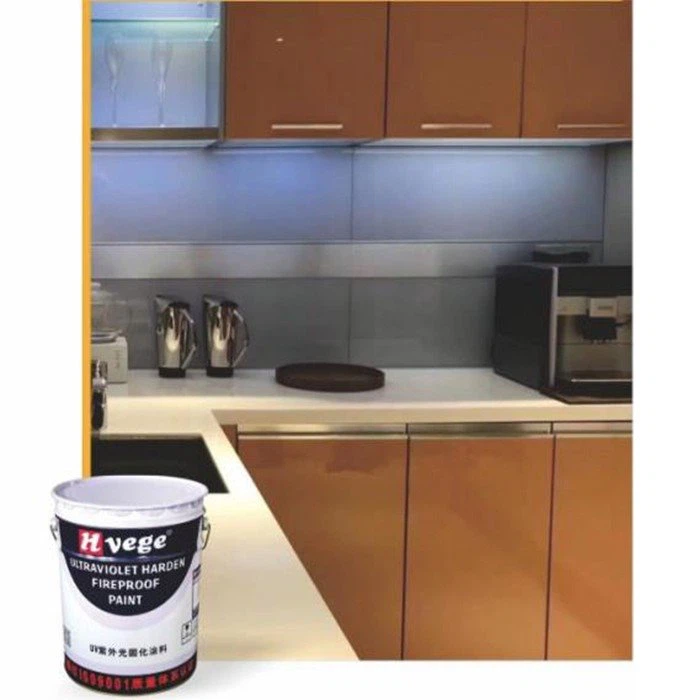
In addition to the above methods, you can also consider using Antiviral Paint or Cupboard and Cabinet Paint in combination with your wood floor coating. Antiviral paint not only provides anti - slip properties but also helps to keep the floor clean and hygienic. Cupboard and cabinet paint can be used to protect the edges and corners of the wood floor, which can also contribute to the overall safety of the space.
Conclusion
Enhancing the slip resistance of wood floor coating is a multi - step process that involves choosing the right coating, proper surface preparation, correct application, adding additional anti - slip elements, and regular maintenance. By following these tips, you can create a safe and slip - resistant wood floor for your home or business.
If you're interested in purchasing high - quality wood floor coatings with excellent slip - resistance properties, feel free to reach out to us for a consultation. We're here to help you find the best solution for your specific needs.
References
- ASTM International. "Standard Test Methods for Measuring Surface Friction Using a Portable Incline - Type Friction Tester."
- National Floor Safety Institute. "Slip Resistance Guidelines for Commercial and Residential Floors."


