

Hey there! As a supplier of PVC edge banding tape, I've seen firsthand how crucial it is to choose the right width for your project. In this blog, I'll share some tips and insights to help you make an informed decision.
Why Width Matters
The width of PVC edge banding tape plays a significant role in both the functionality and aesthetics of your furniture or cabinetry. A properly sized edge banding not only protects the edges of your boards from damage, moisture, and wear but also enhances the overall appearance of the piece.
If the width is too narrow, it may not provide adequate coverage, leaving the edges vulnerable to damage. On the other hand, if it's too wide, it can look bulky and unprofessional, detracting from the beauty of the finished product.
Factors to Consider
1. Board Thickness
One of the most important factors to consider when choosing the width of PVC edge banding tape is the thickness of the board you're working with. As a general rule of thumb, the width of the edge banding should be slightly wider than the thickness of the board. This ensures a proper fit and provides a clean, finished look.
For example, if you're using a 16mm thick board, a 18mm or 20mm wide edge banding would be a good choice. This extra width allows for a small overhang, which can be trimmed down to create a seamless finish.
2. Application
The type of application you're using the edge banding for also plays a role in determining the right width. For example, if you're using the edge banding on a kitchen cabinet, you may want to choose a wider width to provide more protection against moisture and wear. On the other hand, if you're using it on a decorative piece of furniture, a narrower width may be more appropriate to maintain a sleek, modern look.
3. Design Preferences
Your personal design preferences also come into play when choosing the width of PVC edge banding tape. Some people prefer a more minimalist look, while others like a more traditional or ornate style. Consider the overall design of your project and choose a width that complements it.
For example, if you're going for a modern, minimalist look, a narrow width edge banding may be the way to go. On the other hand, if you're creating a more traditional piece of furniture, a wider width edge banding with a decorative pattern or texture may be more appropriate.
4. Compatibility with Other Materials
If you're using other materials in your project, such as Cupboard and Cabinet Paint or Concealed Undermount Slides, you'll need to make sure the width of the edge banding is compatible with them. This ensures a cohesive look and a professional finish.
Common Widths and Their Uses
Here are some common widths of PVC edge banding tape and their typical uses:
1. 12mm
This is a relatively narrow width that's often used for small, decorative pieces of furniture or for edging thin boards. It's a good choice for projects where you want to maintain a sleek, modern look.
2. 15mm
This is a popular width that's suitable for a wide range of applications, including kitchen cabinets, furniture, and shelving. It provides a good balance between protection and aesthetics.

3. 18mm
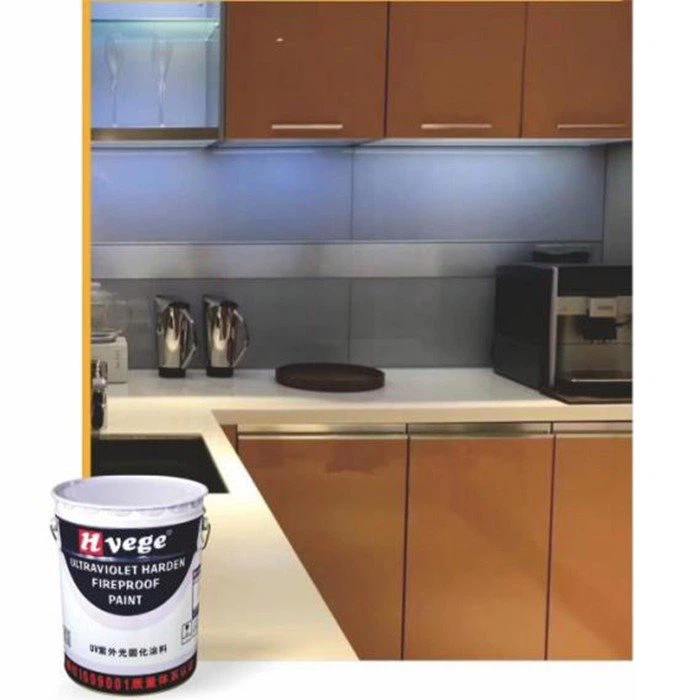
This is a slightly wider width that's often used for thicker boards or for applications where more protection is needed. It's a good choice for kitchen cabinets and other high-traffic areas.
4. 20mm
This is a wider width that's typically used for large, heavy-duty projects, such as commercial furniture or industrial cabinets. It provides maximum protection and a bold, statement-making look.
How to Measure for the Right Width
Measuring for the right width of PVC edge banding tape is a simple process. Here's how to do it:
- Measure the thickness of the board: Use a ruler or caliper to measure the thickness of the board you're working with. Make sure to measure at several points along the edge to ensure accuracy.
- Add a small amount of extra width: As mentioned earlier, it's a good idea to choose an edge banding that's slightly wider than the thickness of the board. Add 2mm to 4mm to the measured thickness to determine the appropriate width.
- Check the edges for irregularities: Before applying the edge banding, check the edges of the board for any irregularities or damage. If necessary, sand or plane the edges to ensure a smooth, even surface.
Tips for Applying PVC Edge Banding Tape
Once you've chosen the right width of PVC edge banding tape, it's important to apply it correctly to ensure a professional-looking finish. Here are some tips to help you get the job done right:
- Use a high-quality adhesive: A good adhesive is essential for a strong, long-lasting bond between the edge banding and the board. Choose an adhesive that's specifically designed for PVC edge banding and follow the manufacturer's instructions carefully.
- Apply the adhesive evenly: Use a roller or brush to apply the adhesive evenly to the back of the edge banding and the edge of the board. Make sure to cover the entire surface area to ensure a strong bond.
- Press the edge banding firmly onto the board: Once the adhesive has been applied, carefully place the edge banding onto the edge of the board and press it firmly into place. Use a roller or a heat gun to apply pressure and ensure a tight bond.
- Trim the excess edge banding: After the edge banding has been applied, use a sharp knife or a trimming tool to trim the excess material from the ends and edges of the board. Make sure to trim the edge banding flush with the surface of the board for a clean, finished look.
Conclusion
Choosing the right width of PVC edge banding tape is an important decision that can have a significant impact on the functionality and aesthetics of your project. By considering the factors discussed in this blog, you can make an informed decision and choose the width that's right for your needs.
If you have any questions or need further assistance, please don't hesitate to contact me. As a supplier of PVC edge banding tape, I'm here to help you find the perfect solution for your project. Whether you're a professional woodworker or a DIY enthusiast, I'm confident that I can provide you with the high-quality products and expert advice you need to get the job done right.
So, what are you waiting for? Contact me today to discuss your project and let's get started on creating something beautiful!
References
- Woodworking Magazine
- Furniture Making Journal
- PVC Edge Banding Manufacturer's Guides


